Contents
Why Intent Data Changes Everything for Content Strategy
You know the problem. Your team creates content that sounds smart. But does it match what your buyers actually want to read?
This gap costs you rankings, leads, and conversions. You're guessing at topics. Your prospects are searching for something else entirely.
Intent data solves this. It shows you what topics your buyers research before they contact you. You learn their problems before they ask. Then you create content around those exact needs.
The market has exploded with options. Forrester evaluated 15 major intent data providers in Q1 2025. Choosing between them feels overwhelming.
This guide cuts through the noise. We evaluated 6 major intent data providers against content marketer workflows. We focused on tools that actually help you create targeted, conversion-focused content (not just sales tools dressed up as marketing software).
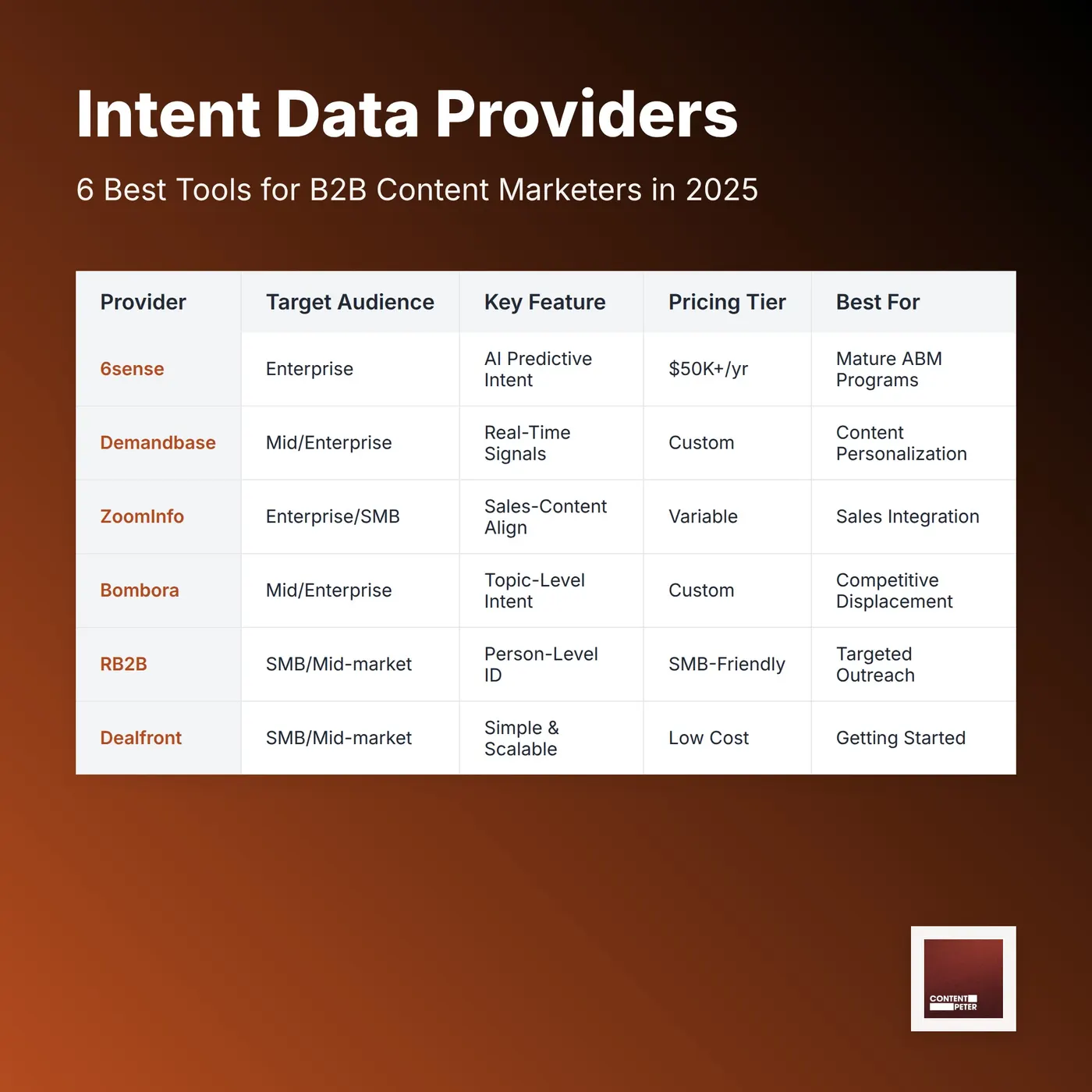
The 6 Best Intent Data Providers (Quick List)
Need the answer fast? Here's the full list. Read the details below based on your team size and budget.
- 6sense – AI-powered predictive intent and account targeting (Enterprise)
- Demandbase – Real-time intent signals with content orchestration (Mid-market/Enterprise)
- ZoomInfo – Company intent data with sales and content enrichment (Enterprise/SMB)
- Bombora – B2B intent data network for topic-level buyer signals (Mid-market/Enterprise)
- RB2B – Person-level visitor identification for targeted outreach (SMB/Mid-market)
- Dealfront – Simple intent and lead generation for scaling teams (SMB/Mid-market)
Each solves different content marketer needs. Below we break down what each does, who benefits most, and how to use intent data to drive conversions.
Deep Dive: Which Provider Fits Your Team?
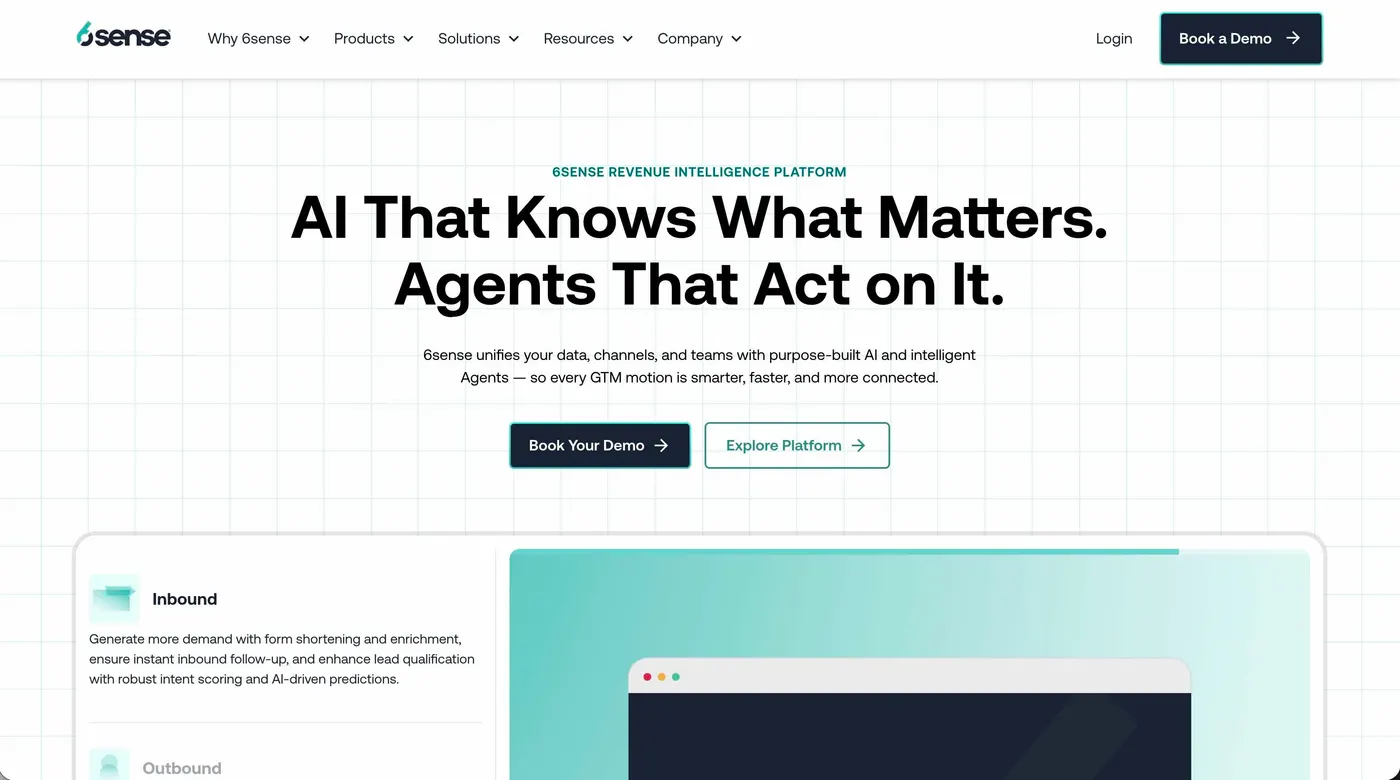
1. 6sense – Best for Mature ABM and Predictive Content Strategies
What It Does
6sense tracks over 500 billion intent signals monthly. The platform uses AI to predict which accounts will buy, sometimes before they start actively searching.
The tool watches company data, technology signals, and behavior patterns. It learns which accounts are warming up to a purchase.
Why Content Marketers Should Care
Most intent tools show you what prospects are researching right now. 6sense predicts what they'll need next.
This changes your content planning. Instead of reacting to search trends, you predict them. If the AI predicts 40 of your target accounts will need a "data platform" solution in three months, you build that content pillar now. You'll rank when they start searching.
6sense works best for mature account-based marketing organizations running predictive campaigns.
Pricing
Custom enterprise pricing. Typically $50,000+ per year.
Who This Fits
- Content leaders at growth-stage SaaS companies
- Teams with dedicated ABM programs
- Companies that can invest in sophisticated marketing infrastructure
Pro Tip
Don't use 6sense just for lead scoring. Layer it into your content roadmap. If predictive AI flags 40 accounts showing "data platform" intent, fast-track that content pillar. This turns intent data into strategic planning, not just ad targeting.
2. Demandbase – Best for Real-Time Content Personalization at Scale
What It Does
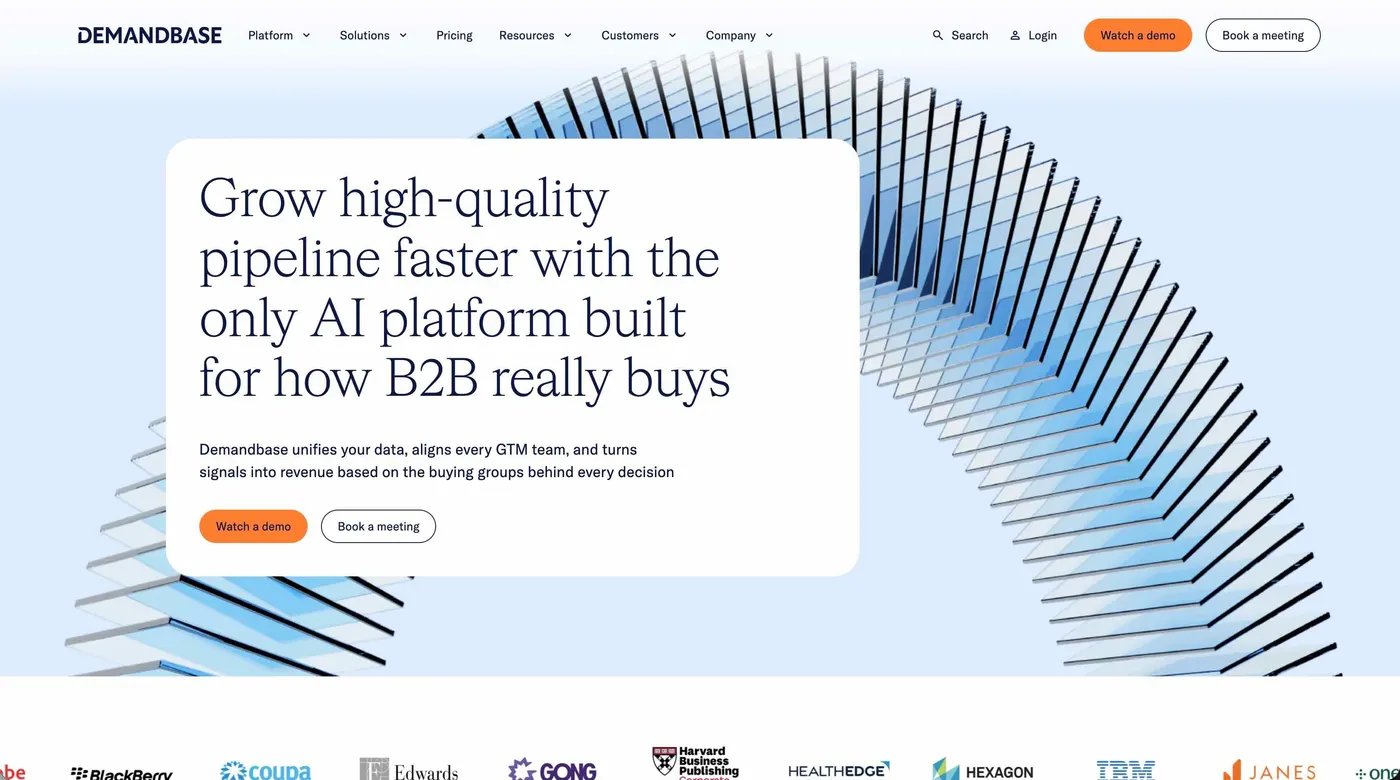
Demandbase tracks real-time intent signals. The platform monitors signals and offers an ABX (account-based experience) platform for orchestrating content.
It identifies buying signals as they happen. Then it connects those signals to content delivery.
Why Content Marketers Should Care
Real-time intent means you can personalize content while your prospect is actively researching. If someone from a target account visits your site while researching a specific problem, you can show them the most relevant content immediately.
This improves conversion rates because you're matching content to active intent, not just guessing based on company size.
Pricing
Enterprise-level pricing (custom quotes).
Who This Fits
- Mid-market and enterprise B2B companies
- Teams with content personalization infrastructure
- Organizations ready to activate intent signals in real-time
Pro Tip
Pair Demandbase intent data with a content personalization tool. When the platform flags a prospect showing "security" intent, route them to security-focused content. This small change can increase conversion rates.
3. ZoomInfo – Best for Companies Needing Sales and Content Alignment
What It Does
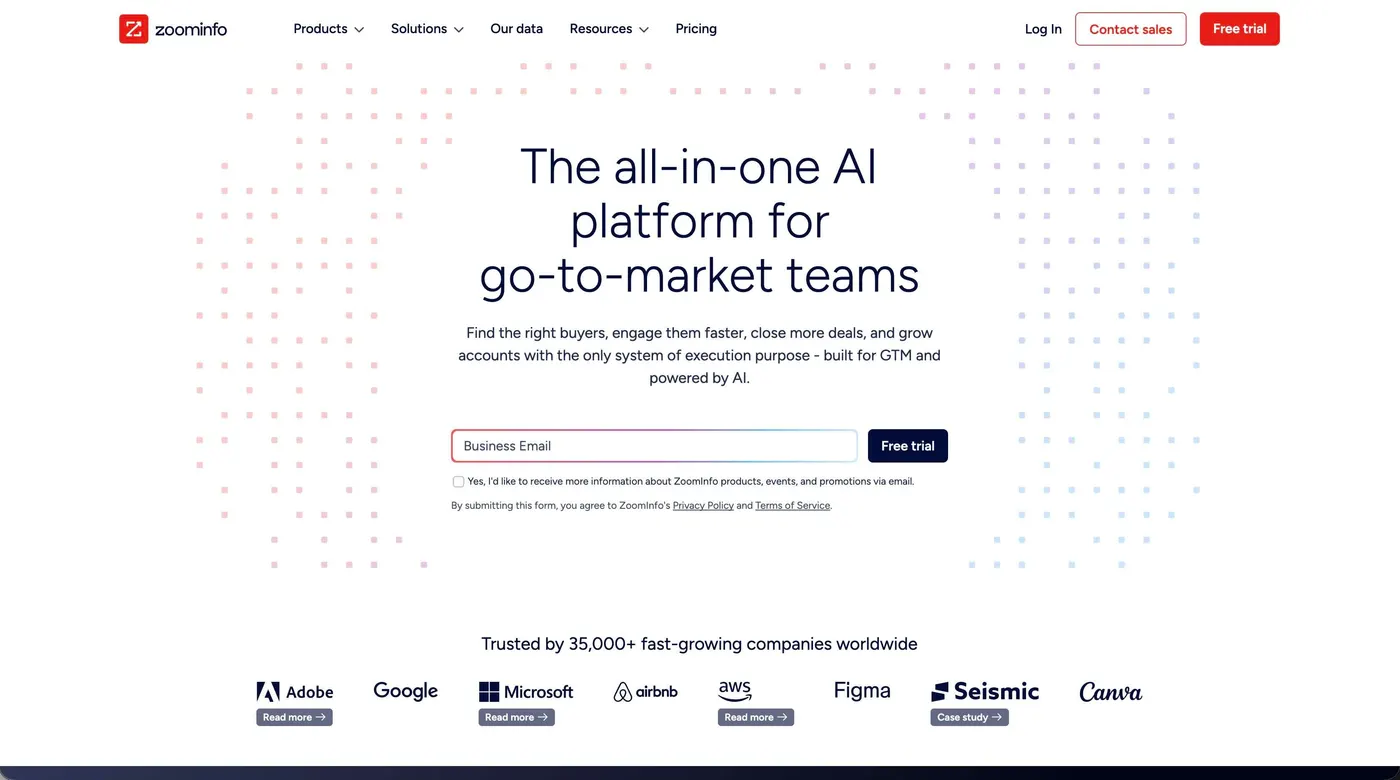
ZoomInfo combines intent data with comprehensive company enrichment. It tracks company-level intent signals while providing detailed contact and company information simultaneously.
Why Content Marketers Should Care
ZoomInfo bridges the gap between sales and content teams. When your sales team uses ZoomInfo, they see the same intent signals your content team can optimize around. This creates alignment.
You understand which companies are in buying mode. Your sales team knows which topics those companies care about. Content teams create that exact content. Everyone works from the same intelligence.
Pricing
Enterprise-level pricing. Varies based on contact database size needed.
Who This Fits
- Enterprise B2B companies with large sales teams
- Organizations needing tight sales and marketing alignment
- Companies that want single-vendor data integration
Pro Tip
Share ZoomInfo intent insights in your weekly sales and marketing meetings. When both teams see the same intent signals, they naturally align on content priorities.
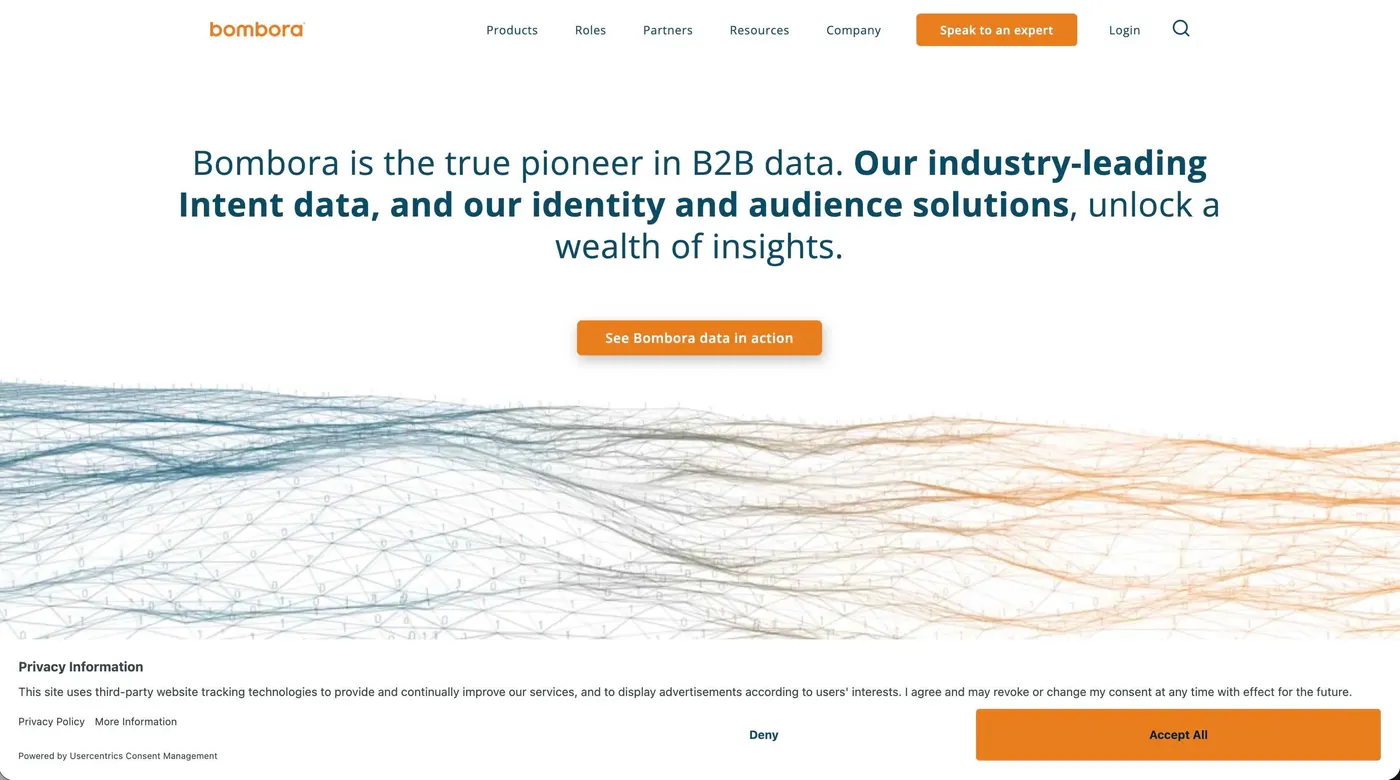
4. Bombora – Best for Topic-Level Buyer Intent at Mid-Market Scale
What It Does
Bombora operates as a B2B intent data network. It aggregates intent signals from thousands of B2B websites and platforms. This gives you visibility into what specific topics buyers research across the entire web.
Instead of tracking just visitors to your site, you see what topics your target accounts research everywhere.
Why Content Marketers Should Care
Topic-level intent helps you plan content strategy. You see that your top 100 target accounts are suddenly researching "cloud infrastructure modernization." Now you know exactly what content to create.
You're not guessing. You're responding to proven buyer behavior across your entire addressable market.
Pricing
Mid-market to enterprise pricing (custom quotes).
Who This Fits
- Mid-market and enterprise companies
- Teams focused on competitive displacement
- Organizations with large addressable markets wanting broad intelligence
Pro Tip
Use Bombora data to identify content gaps. If 200 of your target accounts research a topic you haven't covered, that's your next content sprint. You know demand exists before you invest writing time.
5. RB2B – Best for SMBs and Person-Level Targeting
What It Does
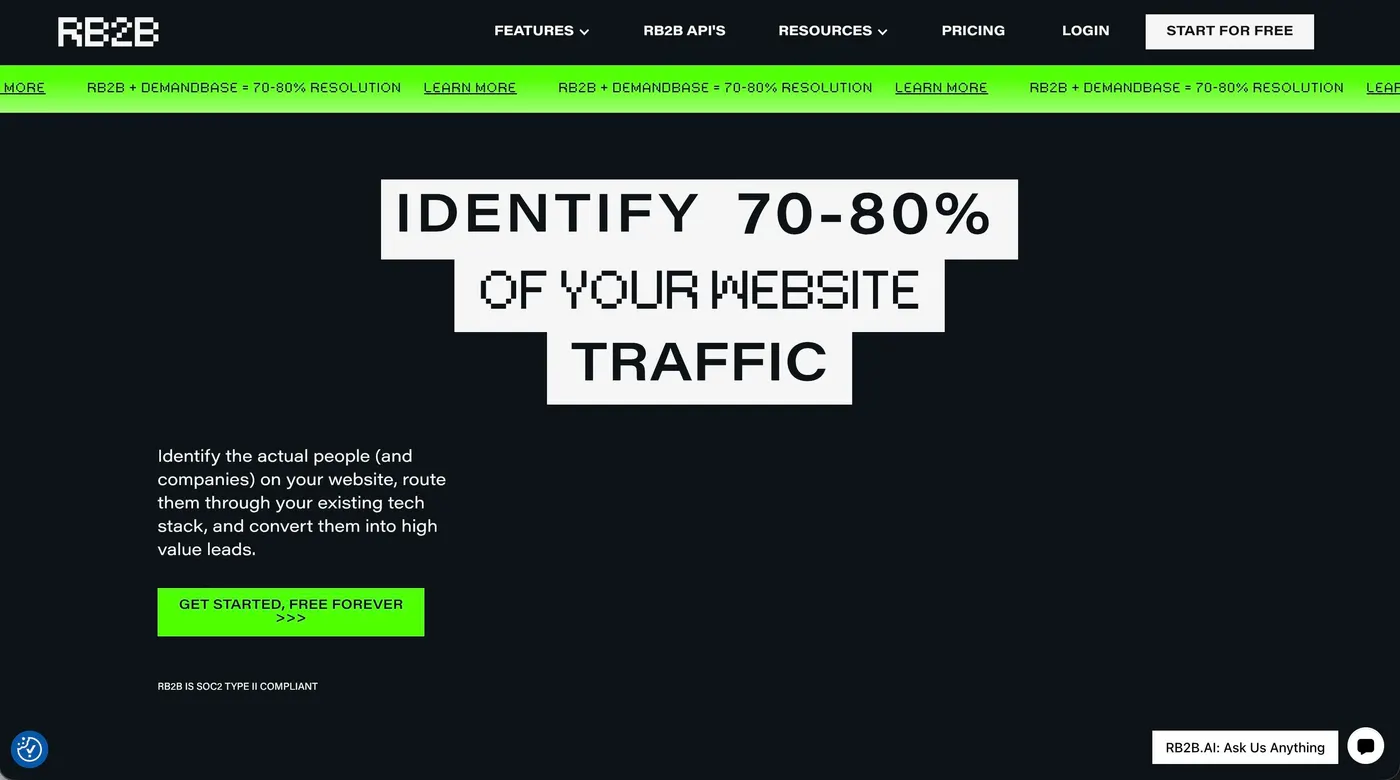
RB2B identifies individual website visitors and provides person-level profiles. Person-level identification helps you understand which specific people at target companies engage with your content.
Unlike account-level tools, RB2B tells you exactly who visited your site and what they researched.
Why Content Marketers Should Care
You learn which specific people from target companies consumed which content. This is invaluable for follow-up targeting. If a prospect manager from Acme Corp read your three pieces on "sales automation," you know they're interested. You can create follow-up content tailored to their specific journey.
This level of personalization converts better than broad account-level targeting.
Pricing
SMB-friendly. Designed for smaller teams with lower budgets than enterprise platforms.
Who This Fits
- SMB and early mid-market companies
- Teams with limited marketing operations budgets
- Companies wanting to maximize content ROI through targeted follow-up
Pro Tip
Combine RB2B data with your email platform. When someone from a target account visits three pages about a specific topic, trigger a personalized email from your team. You're reaching them while intent is hot.
6. Dealfront – Best for Simple, Scalable Intent Data
What It Does
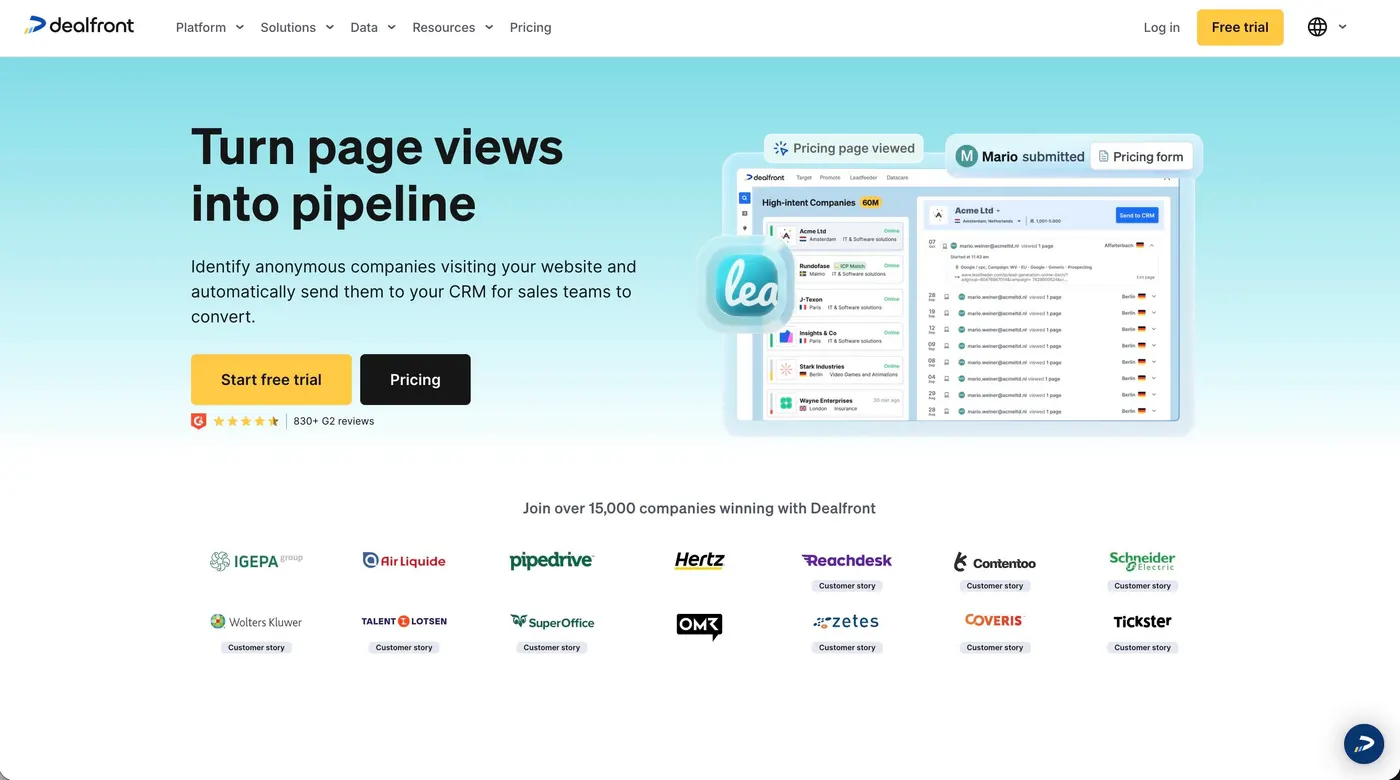
Dealfront is the simplified option. It identifies website visitors and tracks their company information without overwhelming complexity. (Dealfront was formerly known as Leadfeeder.)
Why Content Marketers Should Care
You need intent data, but you don't need a $50,000+ annual platform. Dealfront delivers core intent identification at a fraction of enterprise pricing. You see which companies visit your site and what pages they view.
This is enough to start creating content around proven intent signals without enterprise-level complexity.
Pricing
SMB-friendly pricing. Significantly lower than enterprise platforms.
Who This Fits
- SMB and early mid-market SaaS companies
- Teams building intent data practices from scratch
- Organizations wanting to avoid overpaying for features they don't use
Pro Tip
Start with Dealfront to prove intent data ROI. Once you see how visitor insights drive content strategy, you can upgrade to more sophisticated platforms if needed. Most teams find the core features sufficient.
How to Actually Use Intent Data to Drive Conversions
Having intent data is one thing. Using it is another.
Here's the simple workflow:
Step 1: Identify Topic Gaps
Use intent data to see what topics target accounts research. Compare this to your content inventory. What's missing?
Step 2: Prioritize Content Creation
Create content around high-intent topics first. If 50 target accounts research "AI-powered workflows," write about it now.
Step 3: Personalize Based on Signals
When someone shows intent, show them relevant content. Used RB2B to identify a prospect? Send them content matching their proven interests.
Step 4: Align Sales and Content
Share intent insights with sales teams. When both teams understand what prospects care about, conversion rates improve.
Step 5: Measure and Iterate
Track which intent-driven content pieces convert best. Double down on what works.
This simple process turns intent data from a nice-to-have into a conversion machine.
Which Provider Should You Choose?
Your choice depends on three things.
Team Size: Enterprise platforms like 6sense need dedicated staff. SMB platforms like Dealfront work with lean teams.
Budget: Ranges from thousands per year (SMB tools) to $50,000+ (enterprise platforms).
Maturity: New to intent data? Start simple with Dealfront or RB2B. Running predictive ABM? 6sense delivers.
Start by defining what your content team actually needs. Then match that to the right provider. You don't need the fanciest tool. You need the one your team will actually use.
The Bottom Line
The best intent data provider is the one that fits your team's workflow, not the one with the longest feature list.
Intent data reveals what your buyers actually care about. The providers above make that revelation practical and affordable. Choose based on your team size, budget, and how sophisticated your content strategy needs to be.
Start somewhere. Even basic intent data beats guessing.
See one idea on every channel
The LinkedIn post, the X thread, the carousel and the newsletter, from the same idea.

Content editor with a passion for blending AI efficiency with human editorial craft. I make sure that we create content that actually sounds like a human wrote it and gets results.
LinkedIn