Contents
- Why Sales Books Matter to Your Content Strategy
- The 8 Books (At a Glance)
- Book 1: StoryBrand by Donald Miller
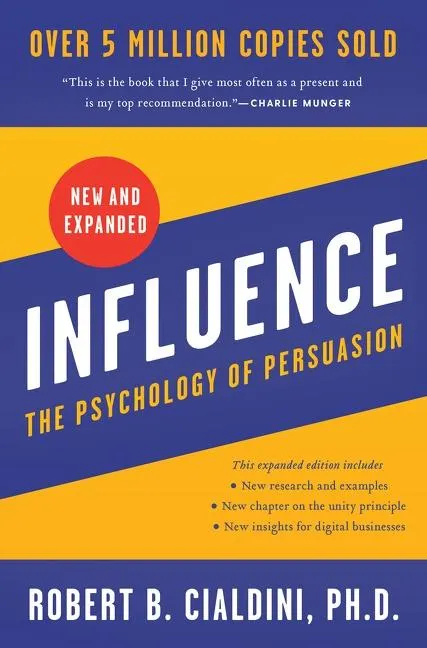
- Book 2: Influence: The Psychology of Persuasion by Robert Cialdini
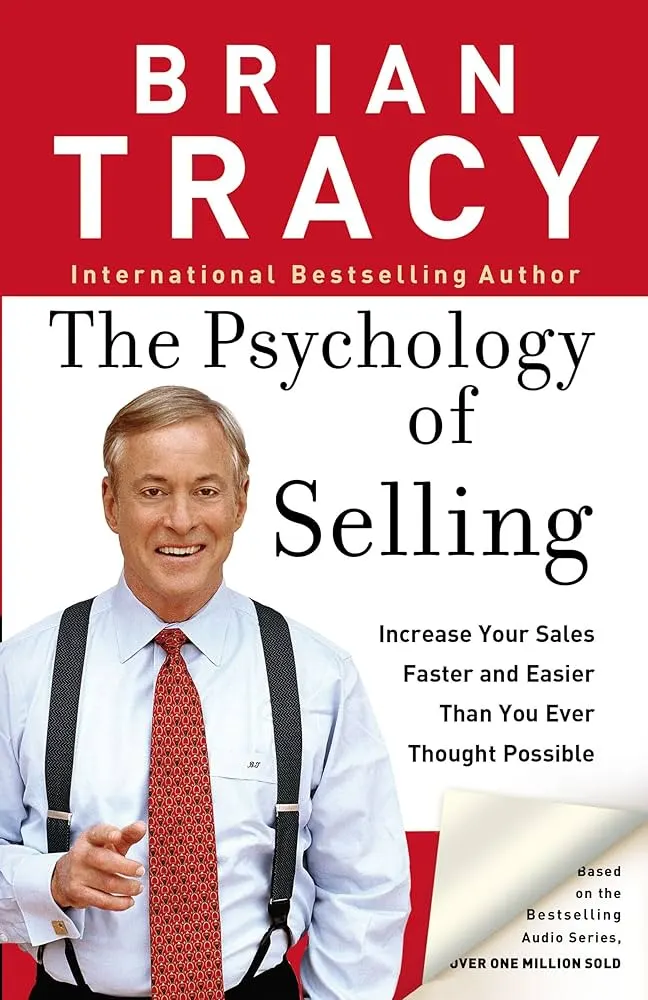
- Book 3: The Psychology of Selling by Brian Tracy
- Book 4: Everybody Writes by Ann Handley
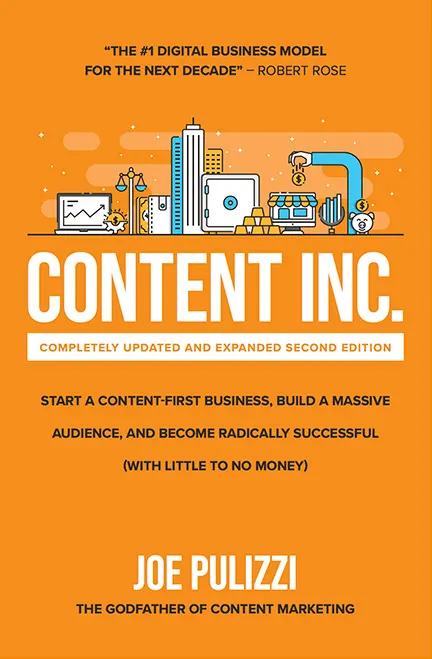
- Book 5: Content Inc. by Joe Pulizzi
- Book 6: Positioning: The Battle for Your Mind by Al Ries & Jack Trout
- Book 7: This Is Marketing by Seth Godin
- Book 8: The Art of the Start 2.0 by Guy Kawasaki
- How to Use These Books
Why Sales Books Matter to Your Content Strategy
You've written a blog post that ranks on Google. Traffic flows in. But readers don't convert.
This happens to most content marketers. Your articles get eyes. They don't get customers.
The problem usually isn't your writing quality. It's that you're missing something critical: understanding how buyers actually make decisions.
Content marketers spend time crafting messages. Sales professionals spend time understanding psychology. When you combine both skills, your content transforms.
Content marketing professionals who study sales psychology create better-performing articles. Your messaging becomes sharper. Your headlines grab attention harder. Your calls-to-action actually work.
This isn't about learning to sell. It's about learning to write content that moves readers toward a decision. That's your job as a content marketer.
The eight books below teach you the sales psychology frameworks that convert readers into leads. Read them once. Apply them to every article you write.
The 8 Books (At a Glance)
Here's what you need to read, organized by what matters most to content marketers right now.
| Book | Author | Why It Matters | Format & Price |
|---|---|---|---|
| StoryBrand | Donald Miller | Positions the reader as the hero, not your company | Hardcover, Kindle, audiobook (~$20) |
| Influence: The Psychology of Persuasion | Robert Cialdini | Teaches the six psychological triggers that drive decisions | Hardcover, Kindle, audiobook (~$18) |
| The Psychology of Selling | Brian Tracy | Shows you how buyers think and what moves them to buy | Hardcover, Kindle, audiobook (~$16) |
| Everybody Writes | Ann Handley | Practical guide to writing content that connects and converts | Hardcover, Kindle, audiobook (~$20) |
| Content Inc. | Joe Pulizzi | Builds loyal audiences before you sell anything | Hardcover, Kindle, audiobook (~$18) |
| Positioning: The Battle for Your Mind | Al Ries & Jack Trout | Foundational strategy for standing out in crowded markets | Hardcover, Kindle, audiobook (~$15) |
| This Is Marketing | Seth Godin | Modern approach to creating value-first content | Hardcover, Kindle, audiobook (~$22) |
| The Art of the Start 2.0 | Guy Kawasaki | Messaging and positioning for startups and new products | Hardcover, Kindle, audiobook (~$18) |
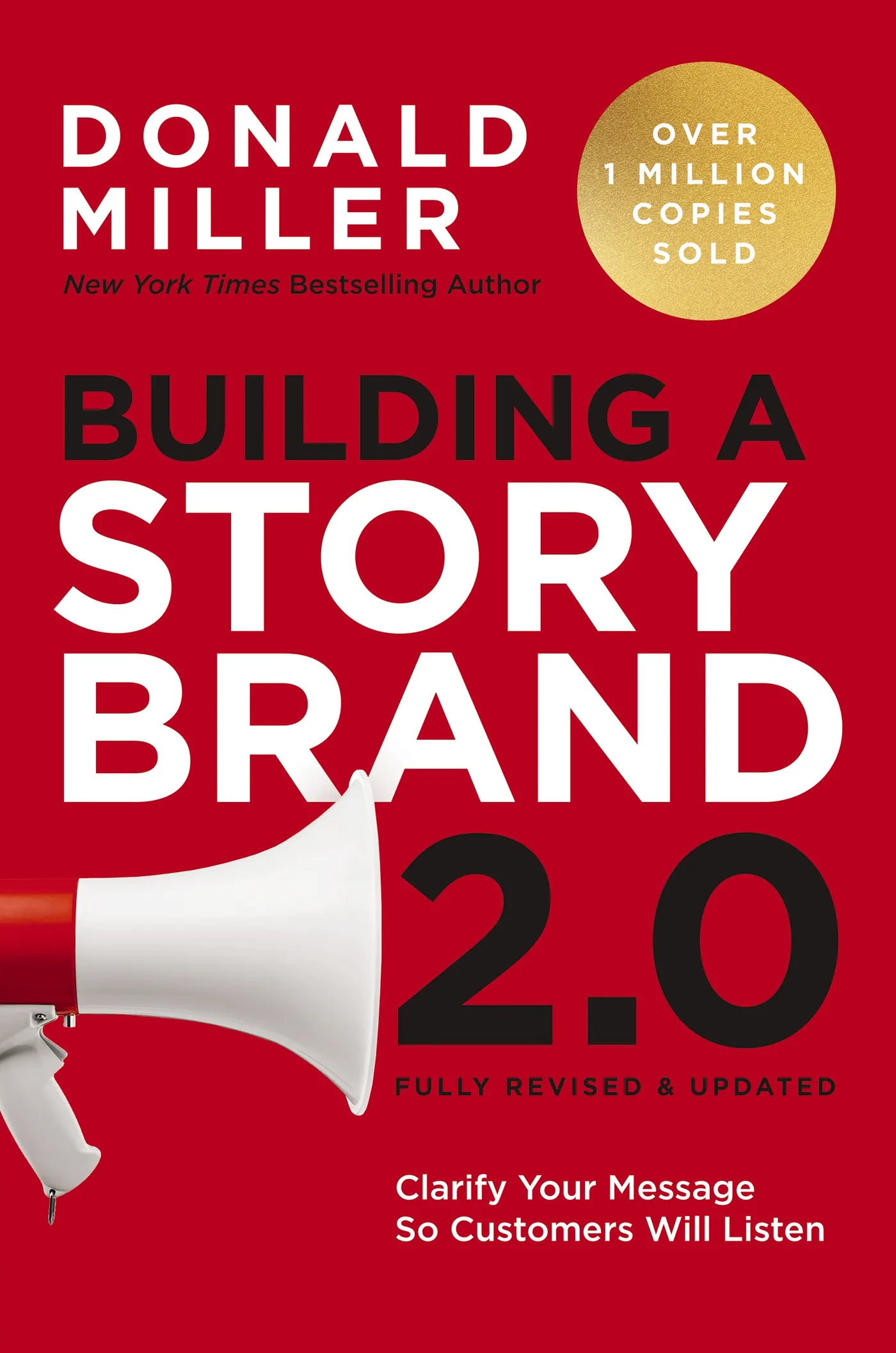
Book 1: StoryBrand by Donald Miller
What This Book Teaches
StoryBrand shows you a simple framework: make your reader the hero of the story, not your company.
Most business content gets this backwards. You write about what your company built. What you achieved. What makes you special.
Your readers don't care about that. They care about themselves.
Why Content Marketers Need This
StoryBrand's framework directly improves content marketing performance. When you position your reader as the hero and your product as the guide that helps them win, two things happen.
First, readers actually connect with your content. They see themselves in your examples.
Second, your conversion rates climb. Readers already see the path forward. They just need to click.
How to Use It in Your Articles
Take your next blog post. Ask yourself three questions: Who is the reader? What do they want to achieve? Where does your product fit into their success story?
Rewrite your headline to focus on what the reader gains, not what your company does.
Access
Available in hardcover, Kindle, and audiobook formats. Cost is around $20.
Book 2: Influence: The Psychology of Persuasion by Robert Cialdini
What This Book Teaches
Cialdini reveals six universal principles that influence human decision-making: reciprocity, commitment, social proof, authority, liking, and scarcity.
These aren't opinions. They're based on decades of research and real-world testing.
Why Content Marketers Need This
Cialdini's work is essential for understanding how readers move through decision stages. Every persuasion principle appears in your content already. You might not notice it.
When you read Cialdini, you start recognizing these patterns. Then you use them intentionally.
For example, social proof (showing that other customers trust you) is a persuasion principle. You can weave it throughout blog content using case studies, testimonials, and success metrics. Suddenly, readers trust you more.
How to Use It in Your Articles
Pick one persuasion principle per article. Use it as your framework.
Writing about a competitor comparison? Use authority (position yourself as the expert). Writing about a limited-time offer? Use scarcity (explain why the window closes). Writing a customer success story? Use social proof (show many people benefited).
Access
Available in hardcover, Kindle, and audiobook formats. Cost is around $18.
Book 3: The Psychology of Selling by Brian Tracy
What This Book Teaches
Tracy breaks down how buyers actually think. He covers what motivates them. What fears they face. What moves them to say yes.
This book is written for salespeople. But the psychology applies directly to content marketing.
Why Content Marketers Need This
Tracy's work offers actionable strategies for understanding buyer motivations. When you know what moves a buyer, you know what your content needs to address.
For example, buyers fear making the wrong choice. They worry about wasting money. They question whether your solution actually works.
Your content should speak directly to these fears. Tracy's book teaches you what those fears are and how to overcome them in messaging.
How to Use It in Your Articles
After reading this book, map the buyer's journey for your product. What fears do they face at each stage? Write blog posts that directly address those fears with evidence and reassurance.
Access
Available in hardcover, Kindle, and audiobook formats. Cost is around $16.
Book 4: Everybody Writes by Ann Handley
What This Book Teaches
Handley teaches practical writing advice: shorter sentences, clearer structure, stronger storytelling, and more authentic voice.
This book is less about psychology and more about execution. It's how to actually write the articles you're planning.
Why Content Marketers Need This
Handley's focus on practical advice means you can apply it immediately. Strong writing doesn't just sound better. It converts better.
Readers stay longer. They share more. They click your call-to-action.
How to Use It in Your Articles
Use Handley's editing checklist when you finish writing. Cut unnecessary words. Replace passive voice with active voice. Break up long paragraphs. Add subheadings that tell the story.
Access
Available in hardcover, Kindle, and audiobook formats. Cost is around $20.
Book 5: Content Inc. by Joe Pulizzi
What This Book Teaches
Pulizzi argues that the best business strategy is to build a loyal audience through content first, then sell to them later.
Don't use content as a promotion tool. Use content to build real relationships.
Why Content Marketers Need This
Pulizzi emphasizes that content should deliver real value before asking for anything in return. This changes how you approach blog writing.
Instead of every article pushing your product, most articles help your reader solve a problem. You earn trust. Then you convert.
How to Use It in Your Articles
Use the 80/20 rule. Write eighty percent of your content for pure reader value. Twenty percent can ask for the sale.
Access
Available in hardcover, Kindle, and audiobook formats. Cost is around $18.
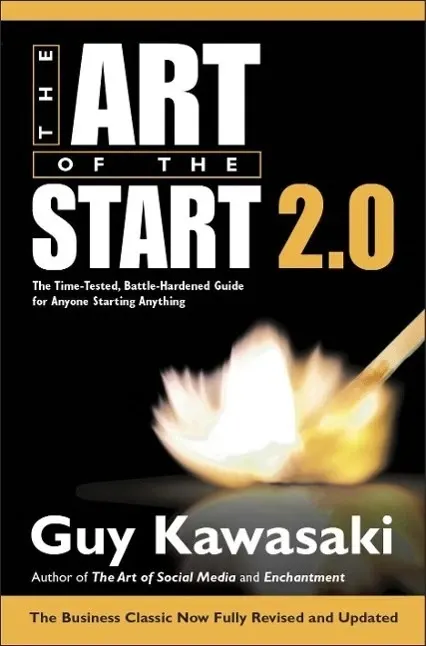
Book 6: Positioning: The Battle for Your Mind by Al Ries & Jack Trout
What This Book Teaches
Positioning is a foundational marketing strategy book. It teaches you how to stand out in a crowded market by claiming a unique position in the buyer's mind.
The book was written decades ago but remains relevant today.
Why Content Marketers Need This
If you want to write content that matters, you need to understand what makes your company different. This book is short. It's dense. It changes how you think about messaging.
How to Use It in Your Articles
Before you write your next article, ask: what position are we claiming in the buyer's mind? Are we the cheapest? The fastest? The most secure? The most customizable?
Your content should consistently reinforce that position.
Access
Available in hardcover, Kindle, and audiobook formats. Cost is around $15.
Book 7: This Is Marketing by Seth Godin
What This Book Teaches
Godin redefines marketing for the modern era. He argues that real marketing is about finding people who care about your mission and connecting with them through value-first content.
Marketing isn't pushing. Marketing means being worth talking about.
Why Content Marketers Need This
In a world where people ignore ads and block interruptions, Godin's value-first approach matters more than ever. Your blog becomes a tool for attracting people who already care about solving their problem.
You're not trying to convince them. You're helping people who are already looking for help.
How to Use It in Your Articles
Write for the people who already want what you're selling. Don't try to convince everyone. Focus your content on serving the specific group that values your solution.
Access
Available in hardcover, Kindle, and audiobook formats. Cost is around $22.
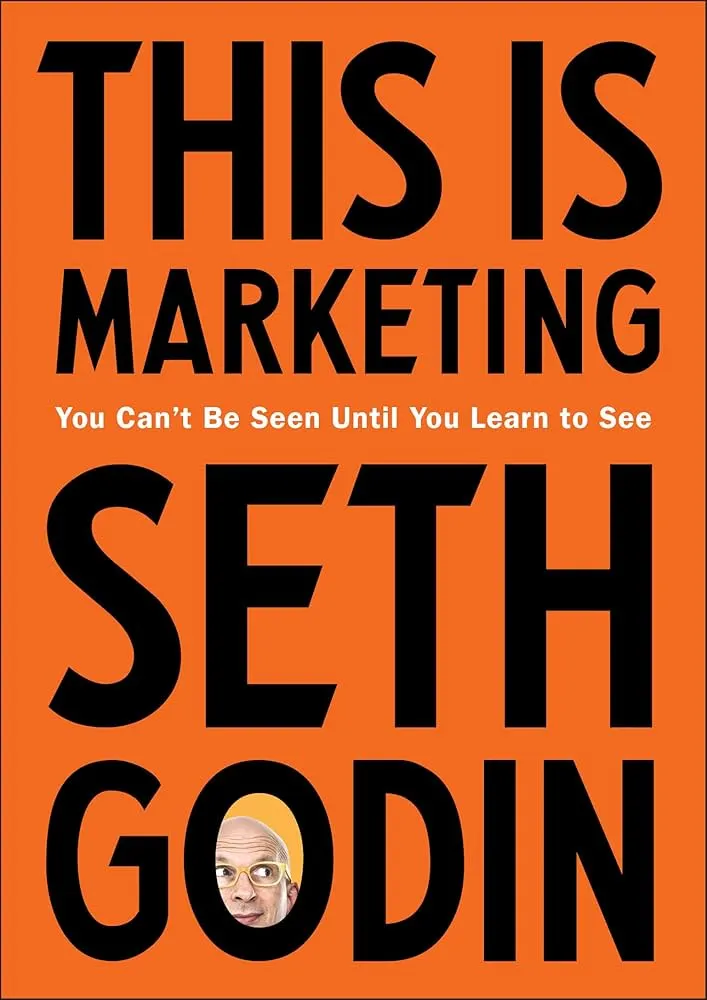
Book 8: The Art of the Start 2.0 by Guy Kawasaki
What This Book Teaches
Kawasaki covers positioning and messaging for startups and new products. He teaches how to frame your message when the market doesn't know you yet.
This applies to new product launches, new content verticals, or new positioning angles.
Why Content Marketers Need This
When you're introducing a new solution or entering a new market, your content needs to be especially clear. Kawasaki teaches you how to position your message so people understand instantly what you do and why it matters.
How to Use It in Your Articles
When launching new content around a new product or service, use Kawasaki's frameworks to ensure your messaging is crystal clear. Avoid jargon. Explain why the problem matters. Show the specific result readers will get.
Access
Available in hardcover, Kindle, and audiobook formats. Cost is around $18.
How to Use These Books
You don't need to read all eight at once. Start with three.
Read StoryBrand first. It changes how you approach every article.
Then read Influence and The Psychology of Selling. Together, they teach you what actually moves buyers.
Finally, read Everybody Writes. Now you can write articles informed by psychology and polished by technique.
Each book reinforces the others. Together, they transform your content from good to conversion-driving.
Your blog will rank higher. Your readers will convert faster. Your content will actually move business forward.
That's worth reading for.
See one idea on every channel
The LinkedIn post, the X thread, the carousel and the newsletter, from the same idea.

Content editor with a passion for blending AI efficiency with human editorial craft. I make sure that we create content that actually sounds like a human wrote it and gets results.
LinkedIn