Discover the 7 best AI lead generation tools designed specifically for content marketing teams. Compare Apollo, Lindy AI, Clay, Persana AI, and more to find the right fit for your workflow.

Updated on
2026-01-29
You're a marketing leader. You need leads. You also need consistent content. But most lead generation tools treat content marketing as an afterthought.
They're built for sales teams who prospect manually. You need something different. You need tools that fit how content teams actually work.
Here's the problem: AI lead generation has changed significantly. It's no longer just about saving time. The real value comes from better decisions earlier in the funnel. That means data quality matters. That means context matters. That means you need tools that actually understand your workflow.
We tested these tools so you could see which ones actually work for content marketing teams. Which ones integrate smoothly. Which ones won't become another job for you to manage.
Here's what we found. Scan this first. Then we'll explain why each one matters.
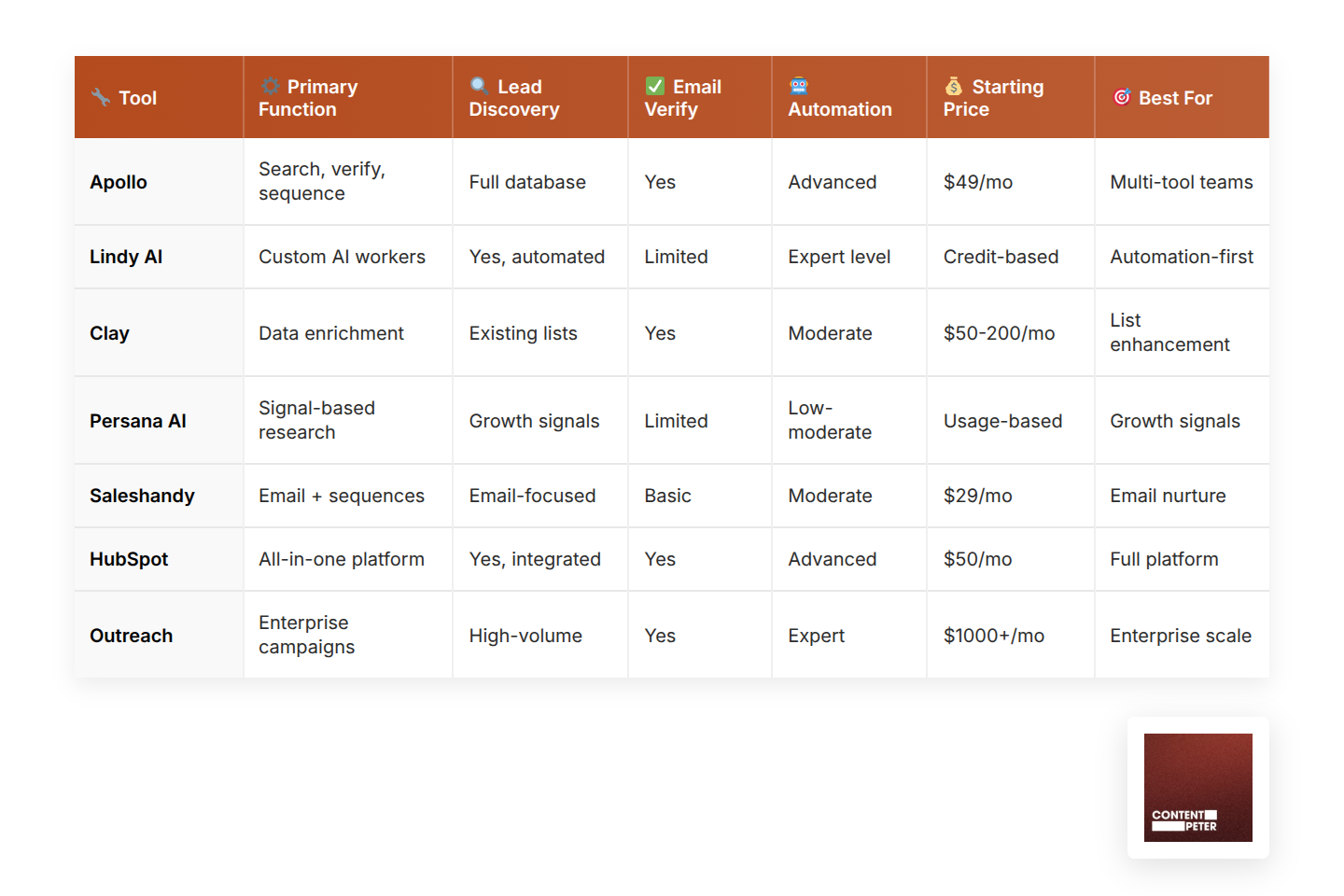
| Tool | What It Does | Best For |
|---|---|---|
| Apollo | Find leads, verify emails, manage follow-up sequences all in one place | Teams tired of juggling multiple tools |
| Lindy AI | Create custom AI workers that find leads and automatically fill your CRM | Content teams who want automation without coding |
| Clay | Enrich your existing lead list with company and contact information | Marketers working with lists they already have |
| Persana AI | Research leads based on recent company changes and growth signals | Teams selling to companies experiencing major shifts |
| Saleshandy | Sort incoming emails and manage follow-up sequences automatically | Content teams running email nurture campaigns |
| HubSpot | Find leads, manage them, and track results all in one dashboard | Teams that want everything in one platform |
| Outreach | Build and manage large-scale outreach campaigns with AI assistance | Sales-focused teams doing high-volume prospecting |
What it does: Apollo lets you search a database of millions of prospects. You find the people you want to reach. Then Apollo verifies their email addresses. Then you set up automatic follow-up sequences. All of this happens in one tool.
Why content teams need this: You probably already have leads somewhere. Maybe they came from your content. Maybe they filled out a form. But verifying emails and managing follow-ups takes time. Apollo does both without you micromanaging it.
Key feature: Apollo handles the entire prospecting workflow. You search, verify, and sequence all in the same place.
Pricing: Apollo offers a free plan with limited searches. Paid plans start around $49 per month.
The limitation: Setup takes some time if you want custom workflows. You'll spend a few hours getting it right initially.
Pro tip: Verify emails first. Bad email addresses waste your follow-up sequences. Clean data saves time.
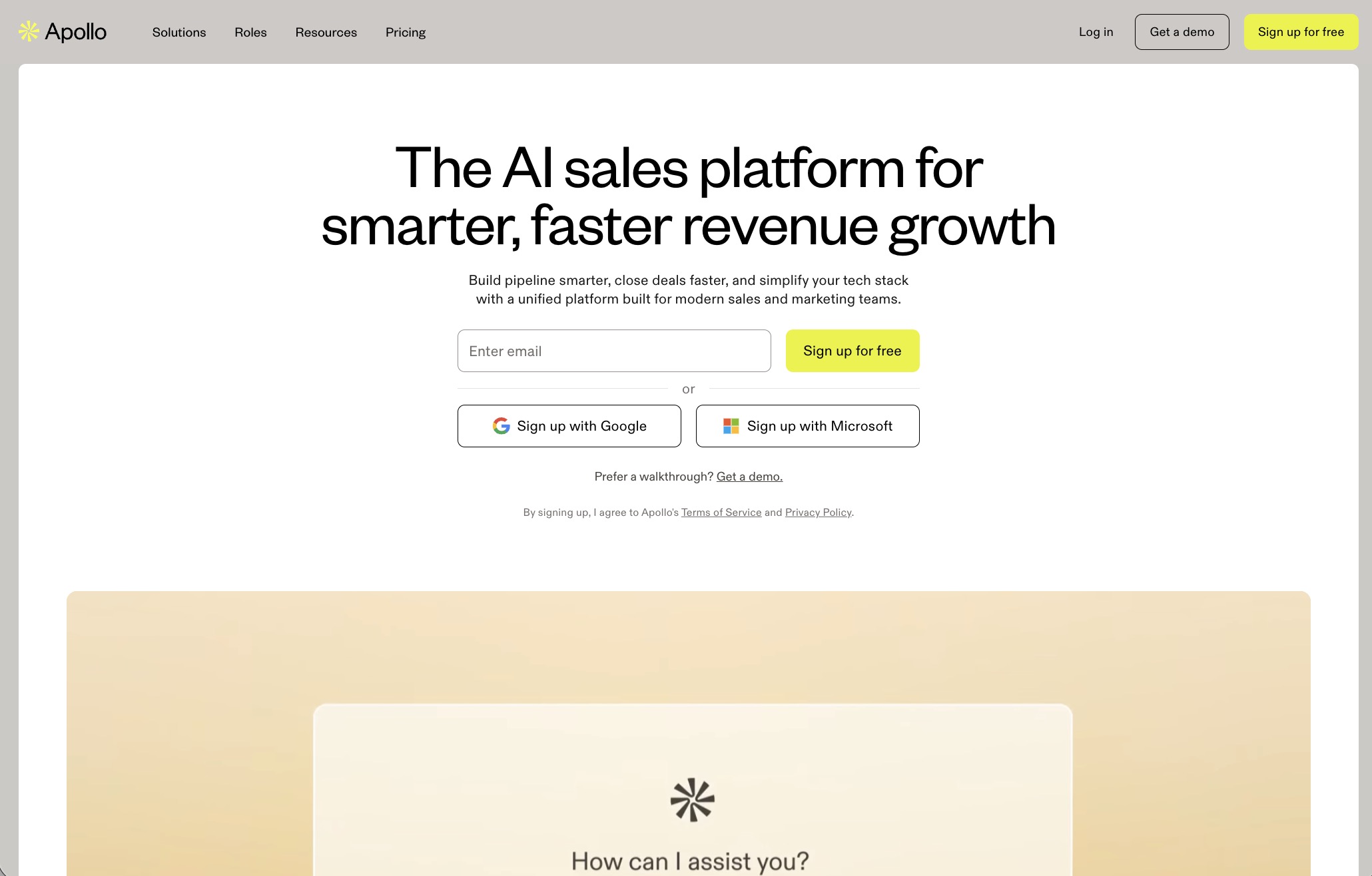
What it does: Lindy lets you create custom AI workers. These workers search through lead databases. They filter results based on rules you set. Then they automatically put the leads into Google Sheets, Airtable, or your CRM. No manual list-building. No copying and pasting.
Why content teams need this: Content teams often work with data. Spreadsheets. CRMs. Lindy connects those tools automatically. Your AI worker runs 24/7. It finds leads while you focus on creating content.
Key feature: Lindy agents can search and filter lead databases using custom prompts. The results flow directly into your systems without you touching them.
Pricing: Lindy uses a credit system. You pay based on how many leads you process. Most teams start with a small monthly investment.
The limitation: If you're not comfortable writing clear instructions for your AI worker, setup is harder. You need to think through your ideal lead profile clearly before you begin.
Pro tip: Start narrow. Tell your Lindy worker to find 10 high-quality leads before you expand to finding 100. Quality beats volume.
What it does: Persana uses AI to research companies and find leads. It looks for recent company changes. Growth signals. Operational shifts. Then it shows you leads from companies most likely to need your solution.
Why content teams need this: You don't just want leads from any company. You want leads from companies that need you right now. Companies experiencing growth. Fundraising. Team expansion. Persana finds those specific moments.
Key feature: Persana flags companies experiencing meaningful changes. A company just hired a new VP of Marketing? You'll know about it. Your solution helps new VPs onboard? That's a perfect match.
Pricing: Persana works on a usage-based model. You pay based on leads researched.
The limitation: You need a clear understanding of what "growth signals" matter for your business. This tool works best when you know exactly who you're trying to reach.
Pro tip: Combine Persana with your content. If a prospect just hired a VP of Marketing, send them your content about onboarding new teams.


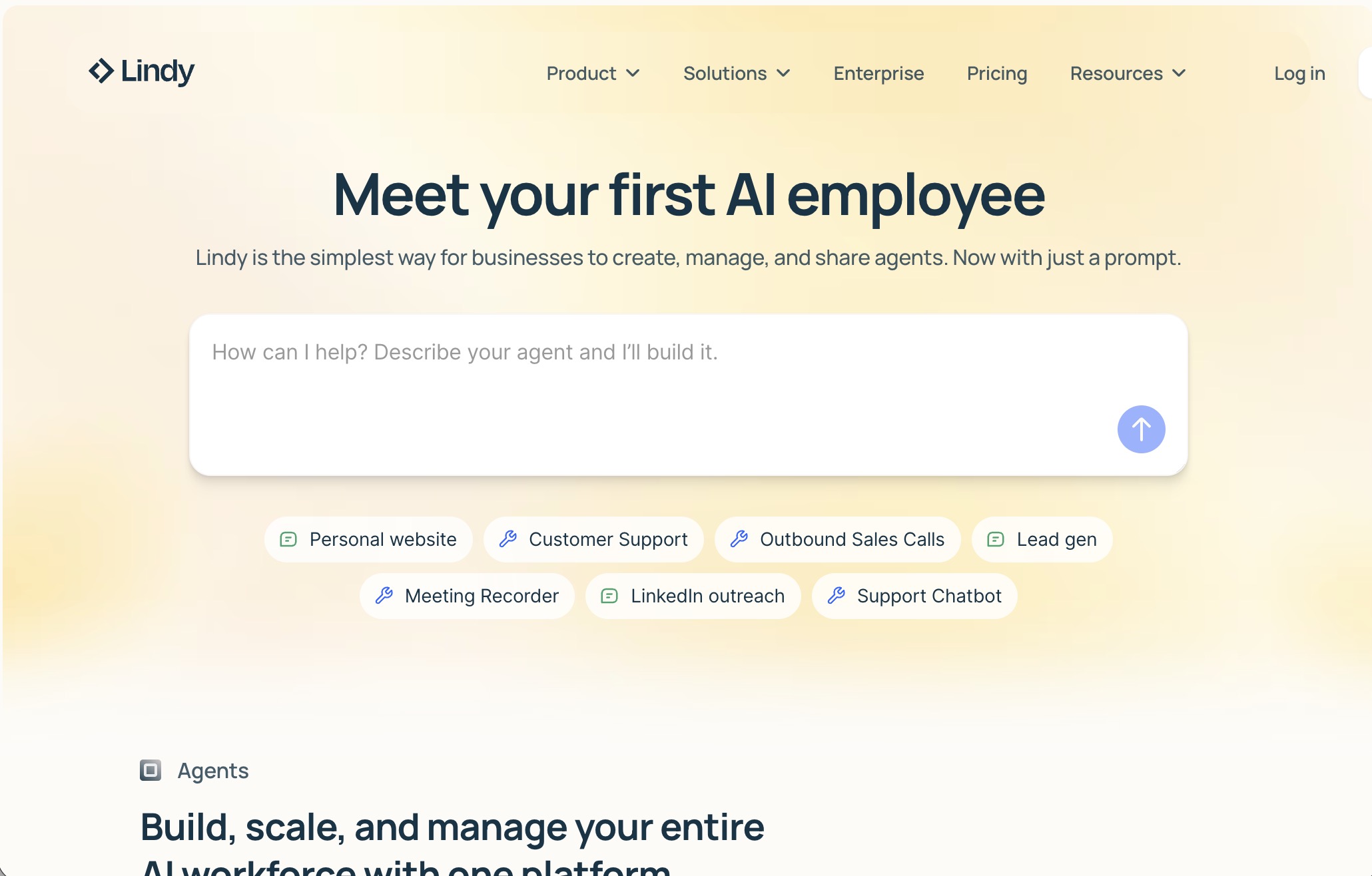
What it does: You have a list. Maybe 500 prospects from your website. Maybe contacts from a conference. Clay takes that list and fills in the blanks. It adds company information. Contact details. Social profiles. All without leaving Clay.
Why content teams need this: Your existing leads are valuable. But they're incomplete. Clay completes them. You get the information you need to personalize your outreach.
Key feature: Clay connects with data providers like Clearbit to handle enrichment, verification, and workflow automation all in one place. No platform switching.
Pricing: Clay's pricing depends on how much data you enrich. Most content teams pay between $50 and $200 per month.
The limitation: Clay doesn't find new leads for you. It only works with lists you already have. If you need lead discovery, pair it with Apollo or Lindy.
Pro tip: Use Clay before you personalize any outreach. Better data means more opens and replies.
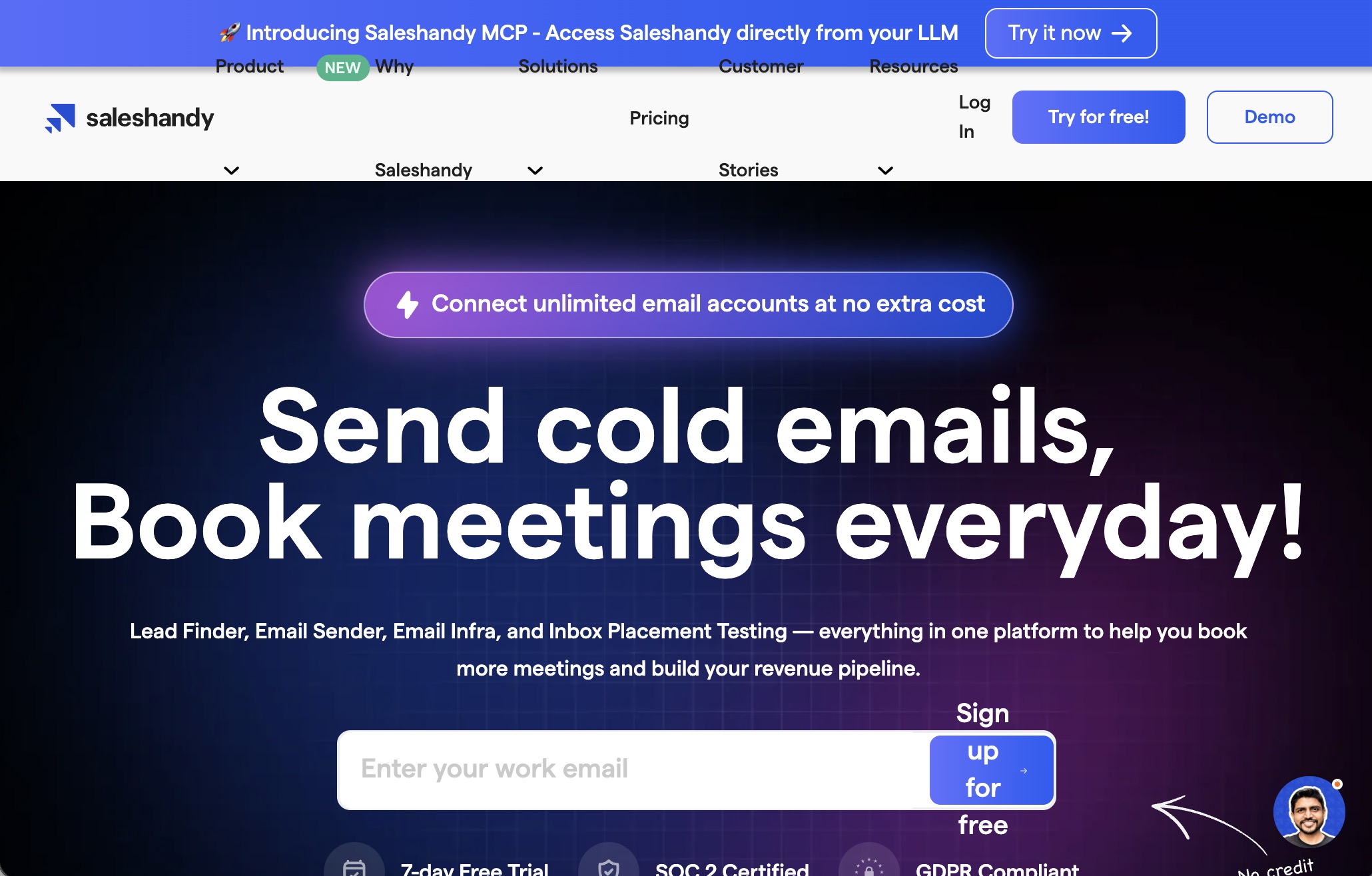
What it does: You send follow-up emails. Lots of them. Saleshandy uses AI to sort incoming responses. It categorizes replies so you see which ones are interested. Which ones are unsubscribing. Which ones are automatic out-of-office messages. Then it helps you manage sequences with automatic follow-ups and timing adjustments.
Why content teams need this: Email is how content marketing works. You send content. People reply. But managing hundreds of replies is chaotic. Saleshandy's AI reply categorization prevents leads from falling through the cracks.
Key feature: The tool intelligently sorts responses so you immediately see which replies are worth following up with today.
Pricing: Saleshandy starts at $29 per month for basic features.
The limitation: The tool is designed for high-volume email. If you're only sending a few emails per week, you're paying for features you don't need.
Pro tip: Pair this with your best content offers. Use email sequences to nurture prospects through your content journey.
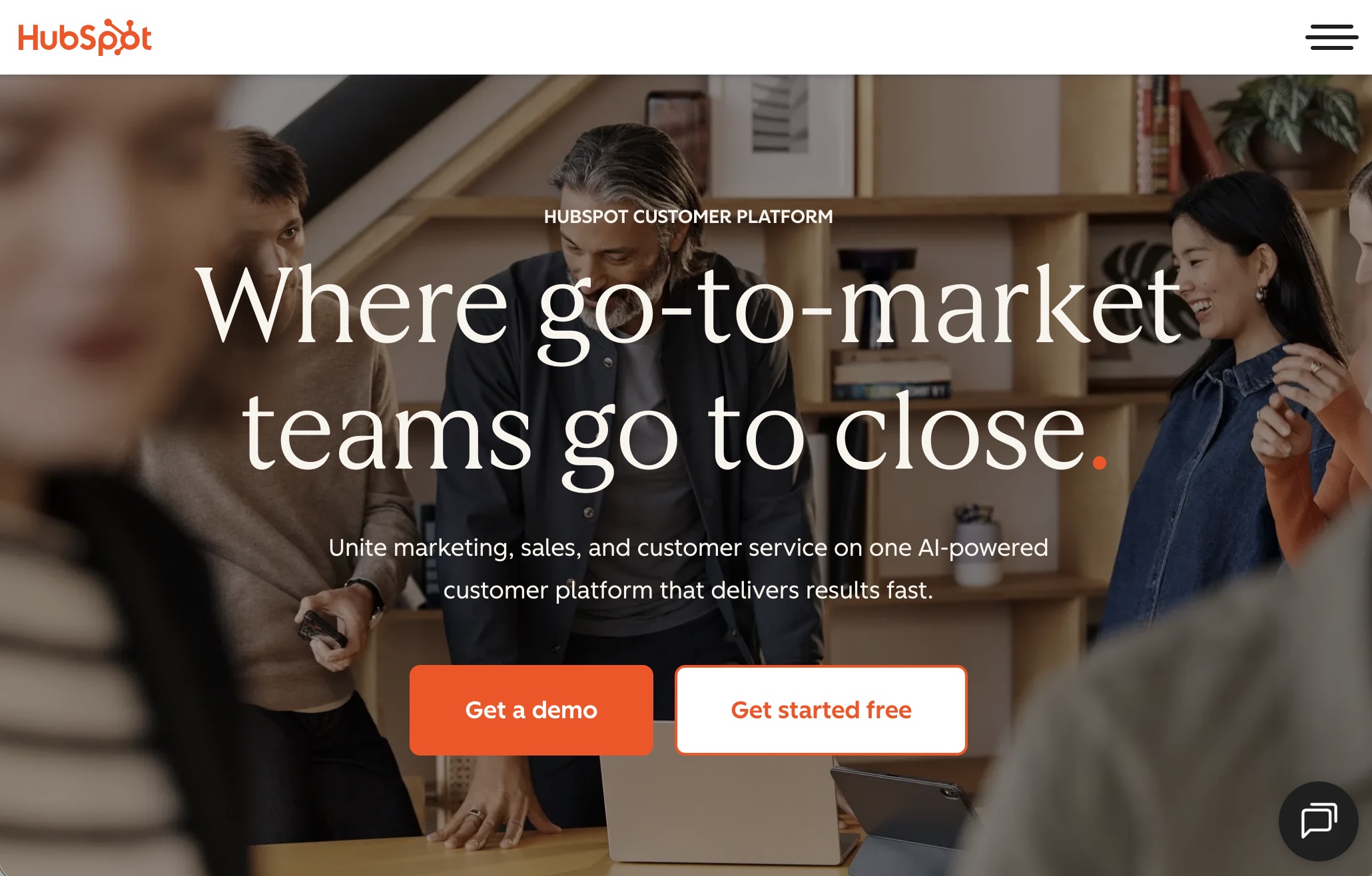
What it does: HubSpot does lead finding, enrichment, email management, and reporting. Everything in one dashboard. You can search for prospects, manage them, track when they open your emails, and see which content converts.
Why content teams need this: You spend less time switching between tools. Your data lives in one place. Content performance connects directly to lead quality.
Key feature: HubSpot integrates CRM and content management. When a prospect downloads your content, it automatically tracks them. When they open an email, it logs it. You see the full picture of how content drives leads.
Pricing: HubSpot's free tier covers basics. Paid plans start at $50 per month.
The limitation: HubSpot is powerful but complex. Setup takes time. And you might use features you don't actually need.
Pro tip: Start with HubSpot's free plan. Add paid features only when you understand how to use them.
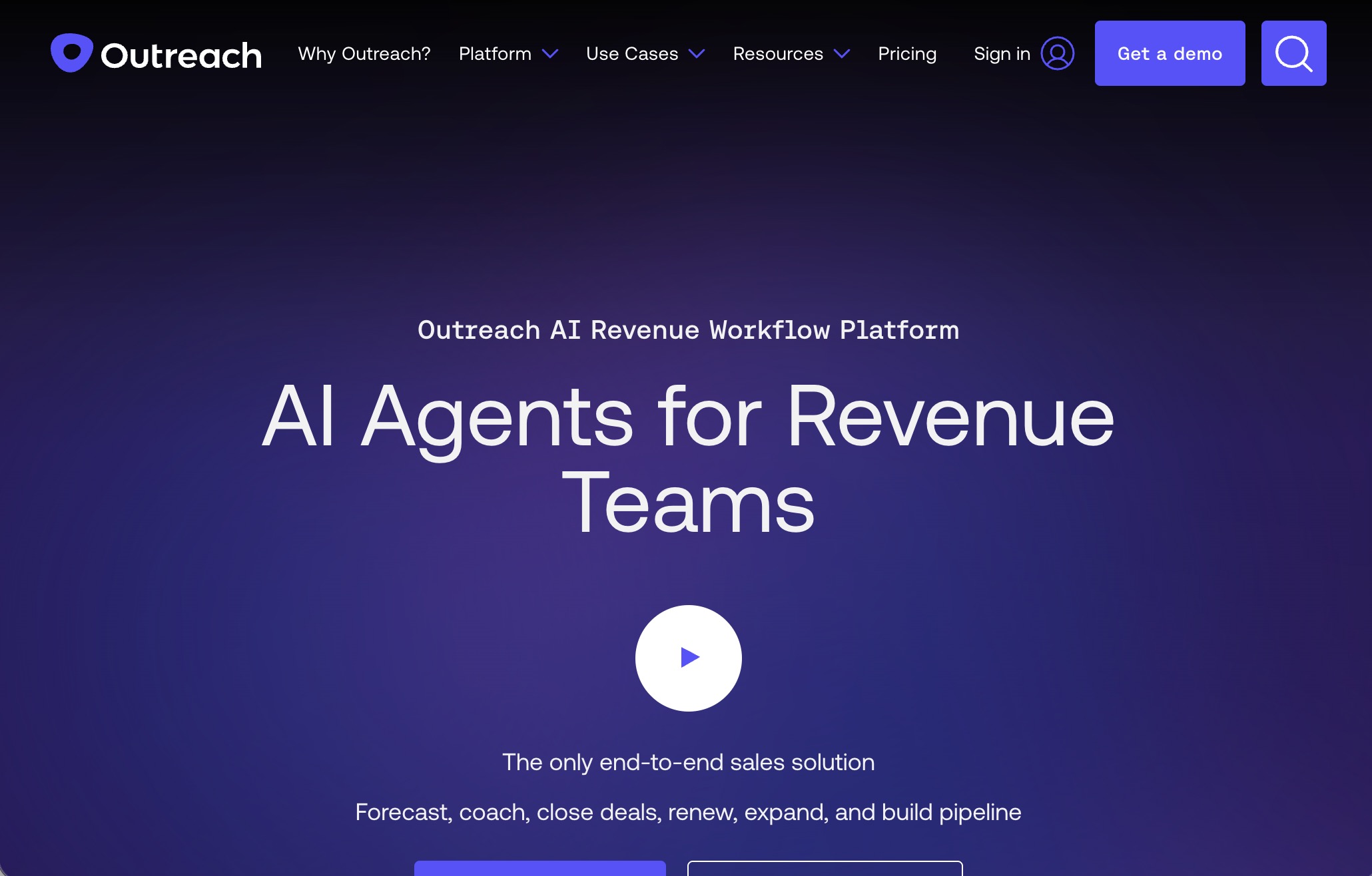
What it does: Outreach builds large-scale outreach campaigns. You set rules. The tool manages sequences. It tracks opens and replies and can suggest next steps based on prospect behavior.
Why content teams need this: If you're running nurture campaigns to hundreds of prospects, Outreach handles the complexity. You create the strategy. Outreach executes it consistently.
Key feature: Outreach manages campaigns across your entire lead database with consistent timing and tracking.
Pricing: Outreach is enterprise-level. Pricing starts around $1,000 per month.
The limitation: This tool is expensive. It's best for teams with a dedicated person managing campaigns. If you're a solo marketer, it might be overkill.
Pro tip: Use Outreach only if you're managing 1,000+ prospects at a time. For smaller teams, Apollo or Saleshandy do the job better.
AI lead generation has evolved significantly. The value now comes from data quality and contextual personalization. Tools that just find leads aren't enough.
You need tools that understand your business. Your content. Your ideal customer.
Here's the approach we recommend:
For finding leads: Start with Apollo or Lindy. Both are affordable. Both integrate with your existing systems.
For enriching data: Add Clay once you have a list.
For managing follow-ups: Use Saleshandy. It's simple and focused.
This three-tool combination covers everything. It won't break your budget. And it won't require a full-time operator.
AI lead generation tools are powerful. But they're not magic. They work best when you know exactly who you're trying to reach. When your messaging is clear. When your content supports your lead generation strategy.
The best tool in the world won't save you if your lead definitions are fuzzy. So start with strategy. Know your ideal customer. Then pick a tool that fits that strategy.
The tools above all do their job well. Pick one or two. Get comfortable with them. Then expand.
Your lead generation doesn't need more tools. It needs better strategy and tools that actually fit how you work.